Situation Room
4K Video, 15" (2025)

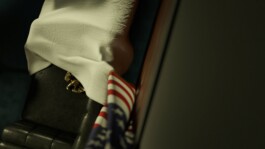
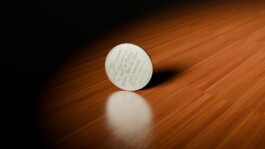
A hybrid essay set inside a 3D reconstruction of the White House crisis room, 'Situation Room' transforms this symbol of control into a deserted stage.
Credits
Writing, direction, art direction - Elouan Le Bars
Editing - Apolline Mathelier
3D supervision - Nathan Ghali
Music - Megan Bruinen
This project was developed during an artist residency at the Villa Dufraine, Académie des Beaux-Arts – Institut de France.

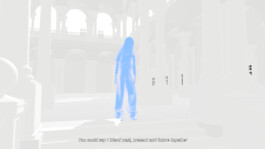
Situation room, still
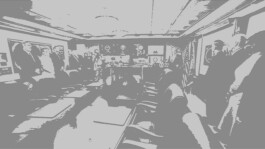
Situation room, still
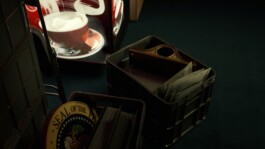
"The “Situation Room,” or crisis room, embodies the imaginary of American power. Designed in the 1960s to centralize decision-making during times of crisis, it has become the symbol of a bunkerized authority: one that decides from a distance, before screens saturated with data, while staging itself to feed the 24-hour news cycle. Inaccessible to the public, it has turned into a myth, fueling films, TV series, and video games, until it was even repurposed as a pedagogical tool for learners. A real yet fantasized place, it crystallizes the theatricality of crisis management, a theater where the outside world appears only through the prism of screens, and where the world itself only knows of its existence through them.
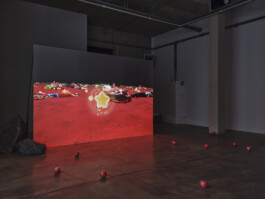
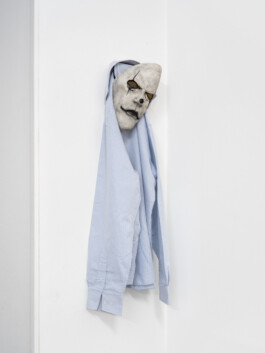
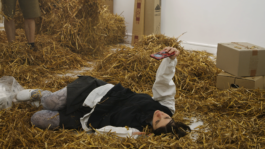
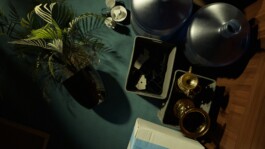
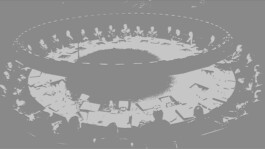
In Situation Room, Elouan Le Bars reconstructs this space through computer-generated imagery. The rendering, deliberately ambiguously realistic, reveals the artificial nature of these places. Emptied of its occupants, its furniture covered in sheets, the room becomes inhabited by disturbances: diverted archives, paintings from the White House reduced to mere trinkets. The film unfolds as an essay punctuated by altered images — archival photographs of the Situation Room, screenshots from Hollywood films, and promotional videos. Passed through a single graphic filter that flattens them into shades of gray, the images lose their original status and blend together, blurring the line between document and fiction, between the dramaturgy of power and its media staging, between military management and the logic of the society of the spectacle. The set begins to crack, oscillating between speculative documentary and digital hallucination.
More than a reconstruction, the work shifts the focus. It does not show power in action, but its reverse: an abandoned set, relics without function, an exhausted imaginary. This emptiness is not neutral; it questions the very legitimacy of a power whose presence increasingly relies on its representation. Why does this room, conceived as the strategic heart of governance, appear here deserted? Is it merely a change in function within the White House, or proof of a vacancy of power? Does the artist place us before the catastrophe, or after it?"
Excerpt from curator Andy Rankin’s text for Un soleil à peine voilé, Galerie de l'Académie des Beaux-Arts, Paris.

Situation room, still

Situation room, still

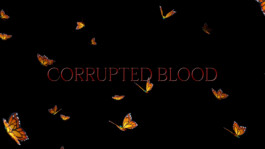
Situation room, still
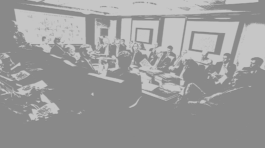
Situation room, still
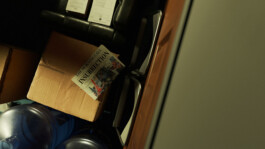
Situation room, still
Situation room, still
Situation room, still